
COTTON · FABRIC SELECTION GUIDE
Woven cotton fabric: start with its structure.
The fibre name is a starting point. The planned garment, weave and fabric treatment help determine whether a sample suits the product.
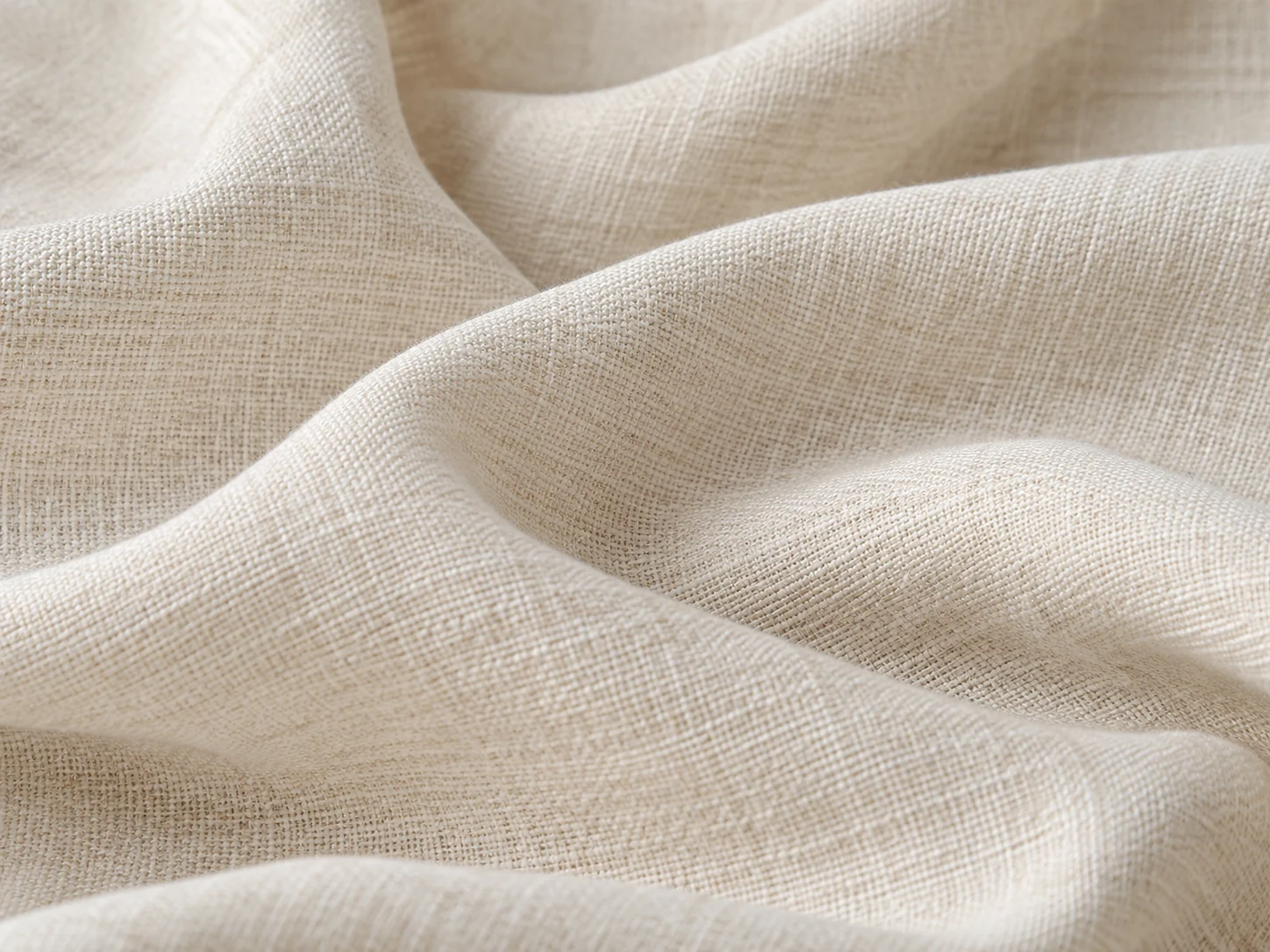
Cotton is a natural cellulose fibre, often considered when buyers want to explore fabrics with absorbency and a comfortable feel. However, no single property fully describes every cotton fabric. Finished woven fabrics can differ substantially in thickness, softness, body, creasing and colourfastness.
What affects the fabric's feel?
First comes the weave: the way warp and weft yarns interlace creates a particular surface and structure. Yarn density, twist and size also help determine whether a fabric is light or heavy, smooth or visibly textured. Finally, dyeing and finishing may change softness, lustre or crease resistance.
Two rolls labelled cotton may therefore not be directly interchangeable. When reordering an existing item, bring the previous sample or specifications for comparison. When developing a new design, inspect the fabric and sew a trial sample before selecting the material.
Checklist before ordering cotton fabric
- Composition: confirm whether the fabric is 100% cotton or a cotton blend; cross-check the label or product documents.
- Weight and usable width: check the units, measuring method and tolerances agreed by both parties.
- Colour: compare under suitable lighting; for a coordinated range, check consistency between rolls.
- Shrinkage, shade variation and seam strength: sew and wash a trial using the intended process before bulk cutting.
- Finishing: ask what treatment has been applied if crease resistance, softening or a special finish is required.
Do not skip sampling
For garment production, specifications should be paired with physical checks. Lay out the fabric, inspect both sides, look for visible defects, sew a representative detail, then wash or process it as intended. Record the results so everyone uses the same criteria when approving the next order.
When asking Lâm Anh about cotton samples, describe the planned garment, a reference colour or sample, the desired composition and specifications, and the expected quantity. If specifications are unavailable, send a photograph or a sample you currently use; together we can identify what needs to be checked next.
References: University of Georgia Cooperative Extension — Understand Your Fibers (general cotton fibre properties); CottonWorks — Preparation for Weaving (warp, weft and woven structure). Actual properties must be confirmed for the specific sample and finish.